

















































10 Meditation Techniques for Beginners to Start Your Day
Starting your day on the right foot can significantly impact your productivity and mood throughout the day. One effective way to ensure you wake up refreshed and focused is by incorporating simple meditation techniques into your morning routine. Meditation has been proven to decrease stress, improve concentration, and enhance overall mental well-being. If you’re new to meditation, here are 10 easy meditation techniques that are perfect for beginners to help you start your day energized and calm.
1. Focused Breathing
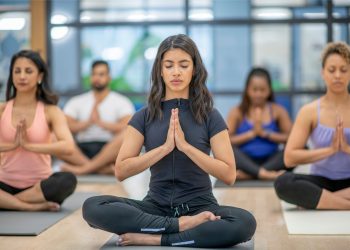
One of the simplest meditation methods to master is focused breathing. This technique involves sitting comfortably in a quiet space and concentrating solely on your breath. Take deep, slow breaths, inhaling through your nose and exhaling through your mouth. Try to focus entirely on the sensation and sound of your breathing. This practice helps clear the mind and reduces stress, making it a perfect starter meditation for your morning.
How to Practice:
- Sit in a comfortable position.
- Close your eyes to minimize distractions.
- Concentrate on your breathing, being mindful of each inhale and exhale.
- Start with just five minutes, and gradually increase the duration over time.
2. Body Scan Meditation
A body scan is another great technique for beginners. It involves paying attention to different parts of your body in sequence from head to toe. This helps in identifying tension and promoting relaxation.
Step-by-Step Guide:
- Lie down or sit comfortably.
- Close your eyes and start focusing on your toes.
- Gradually move your focus up the body, paying attention to each part until you reach the top of your head.
- Notice any areas of tension and consciously release them.
3. Mindful Observation
This form of meditation encourages you to observe a specific object, sound, or sensation without judgement. Pick something in the natural environment or in your room, like a flower, the sound of birds, or even a picture.
Directions for Practice:
- Choose an object of focus.
- Observe every detail about it, noting textures, colors, patterns, sounds, or smells.
- Whenever your mind wanders, gently bring it back to observing the chosen object.
4. Visualization
Visualization or guided imagery is a powerful tool where you imagine a serene setting, anything that symbolizes calm and happiness for you. It could be a quiet beach, a lush garden, or a snowy mountain.
How to Visualize Effectively:
- Close your eyes and take a few deep breaths.
- Picture your ideal peaceful place. Envision everything about this place—the sights, sounds, and smells.
- Allow yourself to feel as if you’re actually there, enjoying the serenity of your surroundings.
5. Walking Meditation
Unlike other forms where you sit or lie down, walking meditation involves movement. It is particularly engaging and helps cultivate mindfulness in action.
Getting Started:
- Find a quiet path or a peaceful area to walk.
- Focus on the sensation of your feet touching the ground.
- Align your breathing with your steps if possible, taking mindful steps with each breath.
6. Mantra Meditation
Using a mantra can help focus the mind. This involves the repetition of a calming word or phrase to prevent distracting thoughts.
Practice Tips:
- Choose a word or phrase that’s positive and meaningful to you.
- Repeat your mantra silently in your mind as you sit quietly with your eyes shut.
- Continue this repetition for the duration of your meditation to help keep your mind focused.
7. Loving-Kindness Meditation
This meditation enhances feelings of compassion and love, both towards yourself and others. It involves mentally sending goodwill, kindness, and warmth towards others by repeating a series of mantras.
Method:
- Begin by finding a comfortable meditative pose.
- Close your eyes, take deep breaths, and start directing kind thoughts towards yourself.
- Slowly extend these thoughts to include your friends, family, acquaintances, and even those you may have a hard time with.
8. Mindful Eating
Turn your first meal of the day into a meditative practice. Mindful eating involves paying full attention to the experience of eating and drinking.
How to Do It:
- Eat slowly and without distractions.
- Notice the colors, smells, flavors, and textures of your food.
- Be aware of the physical sensations of hunger and fullness.
9. Zazen (Zen Meditation)
Zazen, or Zen Meditation, is a Buddhist meditation technique requiring precise posture and breathing to let all judgements pass.
Basic Steps:
- Sit on a cushion or chair with your back straight.
- Place your hands in the cosmic mudra (left hand on top of right with thumb tips touching).
- Focus on counting breaths, and let go of distraction-filled thoughts.
10. Gratitude Meditation
Start your day with a positive note by practicing gratitude meditation. Here you reflect on the things that you are thankful for, fostering a sense of happiness and contentment.
Technique:
- Sit in a quiet place shortly after waking up.
- Reflect on 3-5 things you are grateful for.
- Focus on the sensations these thoughts bring to your heart and mind.
Conclusion
Integrating meditation into your morning can vastly improve the quality of your day. These 10 easy meditation techniques for beginners to start your day are not only simple but can be significantly rewarding. Whether you choose mindful eating or focus on a gratitude exercise, each technique offers a unique pathway to tranquility and mindfulness. Embark on this relaxing journey and notice the profound impact it has on your daily life!