











































5 Key Meditation Techniques for Emotional Balance You Can Start Today
In the hustle and bustle of daily life, maintaining emotional balance often feels like an uphill battle. The stress from work deadlines, family responsibilities, and social obligations can accumulate, leading to emotional unrest. Meditation, however, is a profound tool that can help you regain your emotional equilibrium. Today, we will explore five key meditation techniques that are straightforward to start and can dramatically enhance your emotional well-being.
1. Mindful Breathing
What is Mindful Breathing?
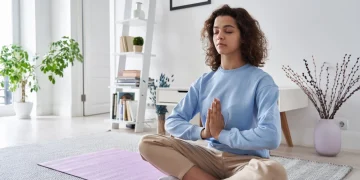
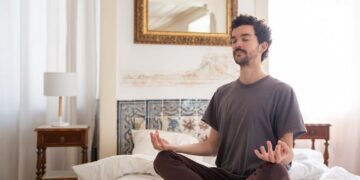
Mindful breathing is perhaps the simplest yet most powerful meditation technique for fostering emotional balance. This practice involves focusing your attention solely on your breath, the inhalation and exhalation, which anchors the mind in the present moment.
How to Practice:
- Find a Quiet Spot: Choose a peaceful place where you won’t be disturbed.
- Sit Comfortably: You can sit on a chair, cross-legged on the floor, or even lie down.
- Focus on Your Breath: Close your eyes and take deep, slow breaths. Concentrate on the sensation of air entering and leaving your nostrils or the rise and fall of your chest.
- Return When Distracted: Your mind will wander. Gently bring your focus back to your breathing whenever you notice you’re thinking about something else.
Benefits:
Regular practice of mindful breathing can reduce anxiety, enhance concentration, and promote a state of calmness, helping you react more thoughtfully in stressful situations.
2. Body Scan Meditation
What is Body Scan Meditation?
Body scan meditation involves paying attention to parts of the body and bodily sensations in a gradual sequence from feet to head. This technique helps you be aware of bodily tensions and releases them.
How to Practice:
- Start at the Feet: Begin your focus at your feet and slowly move up your body. Notice the different sensations, whether it’s pain, warmth, or relaxation.
- Acknowledge and Release: As you identify areas of tension, consciously relax them. The key is to notice discomfort without trying to change it.
- Use Your Breath: Pairing your breath with your body scan can deepen relaxation—breathe into and out from different parts of your body.
Benefits:
This technique enhances bodily awareness and, by identifying and relieving tension, aids in reducing emotional stress and anxiety.
3. Walking Meditation
What is Walking Meditation?
Walking meditation is a form of meditation in action. In walking meditation, you use the experience of walking as your focus. It combines the physical exercise of walking with the mental exercise of meditation.
How to Practice:
- Find a Tranquil Area: A quiet, safe path where you can walk back and forth is ideal.
- Focus on Your Steps: Pay attention to the lifting and falling of your feet. Sync your breathing with your strides for added focus.
- Acknowledge Surroundings: If your mind wanders to other thoughts, gently bring it back to the sensation of walking and your breathing.
Benefits:
Walking meditation is particularly effective for those who find peace in action and wish to cultivate a meditative state throughout their day.
4. Loving-Kindness Meditation (Metta)
What is Loving-Kindness Meditation?
Metta meditation focuses on developing feelings of goodwill, kindness, and warmth towards others, which in turn, improves your own emotional well-being.
How to Practice:
- Start With Yourself: Begin by cultivating kind thoughts towards yourself. Reciting phrases like “May I be happy. May I be well.”
- Expand Outward: Gradually extend these thoughts to family, friends, acquaintances, and even those you have difficulty with.
- Feel the Love: Try to genuinely feel the kindness and love emanating from you as you progress through this meditation.
Benefits:
This practice fosters an attitude of altruism and emotional connectivity, reducing feelings of isolation and conflict.
5. Guided Visualization
What is Guided Visualization?
Guided visualization involves using your imagination to envision a particular place, scene, or setting that helps you feel calm and peaceful.
How to Practice:
- Find a Guide: Start with a script or recording. Many apps and online resources offer guided visualization sequences.
- Engage Your Senses: Fully immerse yourself in the experience by engaging all your senses—what you see, hear, smell, and feel within your imagined environment.
- Enjoy the Journey: Allow the guided narrative to lead you, adjusting elements of the visualization to enhance your emotional comfort.
Benefits:
Guided visualization can significantly reduce stress and improve your mood by shifting your focus away from the triggers of emotional imbalance.
Conclusion
Emotional balance doesn’t have to be elusive. By incorporating these 5 key meditation techniques for emotional balance into your daily routine, you can start today on your journey toward a more tranquil and centered life. Each method offers unique benefits and can be practiced alone or in combination. Remember, the goal of meditation is to bring you back to a state of equilibrium, where your emotions do not overwhelm, but instead inform and enrich your life.