







































5 Physical Relaxation Techniques to Help You Unwind After Work
After a long day at work, it can be hard to detach and shift into relaxation mode. Yet, it’s essential for both your physical health and your mental well-being. Fortunately, there are simple, physical relaxation techniques that can help you kick back and unwind effectively. In this blog post, we’ll explore five practical methods to ease tension and rejuvenate after a demanding day. Keep reading to discover how these approaches can turn your post-work routine into a rejuvenating ritual!
1. Deep Breathing Exercises
What It Is:
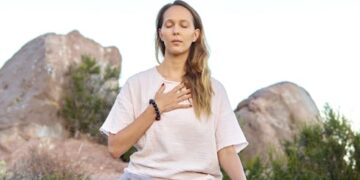
Deep breathing is a fundamental relaxation technique that involves focusing on slow, deep, and consistent breaths. When you breathe deeply, the air coming in through your nose fully fills your lungs, and the lower belly rises.
Why It Works:
This type of breathing stimulates the parasympathetic nervous system, responsible for activities that occur when our body is at rest. It also reduces levels of stress hormones in the body, promoting a state of calmness.
How to Do It:
- Find a quiet place to sit or lie down.
- Put one hand on your belly and the other on your chest.
- Breathe in slowly through your nose, allowing your belly to push your hand out. Your chest should not move.
- Breathe out through your lips as if whistling. Feel the hand on your belly go in, and use it to push all the air out.
- Repeat this deep breathing for several minutes.
2. Progressive Muscle Relaxation (PMR)
What It Is:
Progressive Muscle Relaxation involves tensing and then relaxing different muscle groups throughout the body. It helps you become more aware of physical sensations and aids in relieving muscle tension from stress.
Why It Works:
When you release muscles that have been tensed, this sends a signal to the brain that it’s time to unwind. It directly combats one of the most common symptoms of stress – muscle tension.
How to Do It:
- Start in a comfortable sitting or lying position.
- Begin with your forehead, tense the muscles for about 5 seconds, then gradually relax them while exhaling. Enjoy the sensation of looseness.
- Move down to your eyes, cheeks, lips, and continue down through your neck, shoulders, arms, and down to your toes.
- Pause to breathe and notice the feeling whenever you release a muscle group.
3. Stretching
What It Is:
Stretching involves extending the limbs and body parts in particular ways to enhance flexibility and muscle relaxation. It’s not just for athletes; stretching can benefit anyone, especially those stuck in a desk job all day.
Why It Works:
Stretching can relieve muscle tension, increase blood circulation, and elevate mood through the release of endorphins. It’s a great way to adjust your body from work mode to relaxation mode.
How to Do It:
- Stand up and reach towards the sky as high as you can, hold for a few seconds, and then fold forward, reaching towards your toes.
- Do neck and shoulder stretches by rolling your shoulders back and forth and tilting your neck from one side to another.
- Don’t rush; stretch gently and hold each position for about 15-30 seconds.
4. Guided Imagery
What It Is:
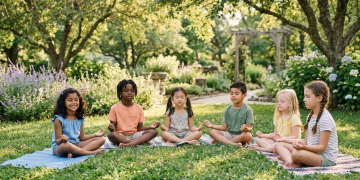
Guided imagery is a relaxation technique that involves visualizing a serene location in your mind. This practice helps you explore places that contribute to your peace without physically traveling.
Why It Works:
Imagining a tranquil environment can help distract from daily stressors and activate relaxation responses in the body.
How to Do It:
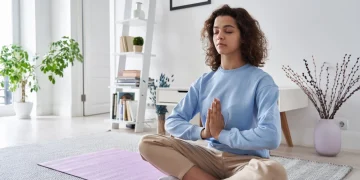
- Find a quiet place to sit or lie down. Close your eyes.
- Take a few deep breaths to calm your initial thoughts.
- Picture yourself in a peaceful scene, such as a beach, a quiet forest path, or a garden. Use all your senses to enhance the realism – what do you see, hear, smell, touch?
- Spend a few moments in your place of calm, allowing your mind to let go of stressful thoughts.
5. Walking and Light Exercise
What It Is:
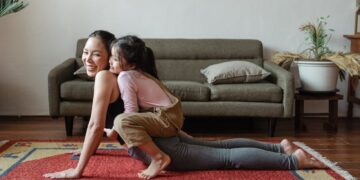
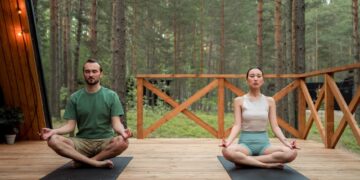
Light exercises, such as walking or gentle yoga, can significantly enhance relaxation. They’re not only good for your body but also your mind.
Why It Works:
Exercise increases endorphins, which can improve mood almost instantly. Light physical activity, particularly in nature, can also help to reset your mental state.
How to Do It:
- Go for a 15-30 minute walk around your neighborhood or in a nearby park.
- Opt for a gentle yoga routine; numerous online videos can guide beginners.
- Make this a regular part of your evening routine for maximum benefits.
Conclusion
Incorporating these 5 physical relaxation techniques into your post-work routine can help you shift gears effectively and find a good balance between work and rest. Each method offers unique benefits and can be combined for a well-rounded relaxation experience. From deep breathing exercises, progressive muscle relaxation, and stretching to guided imagery and light exercise—choose what resonates with you the most or mix and match depending on your mood and needs. Start tonight, and give your evenings the peaceful transformation they deserve!