









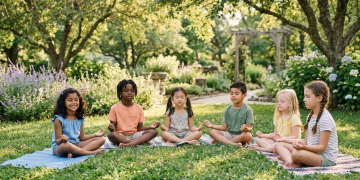












































Unlocking Inner Peace: How Mindfulness for Teens Can Transform Stress into Calm
In the bustling life of a teenager, where days often mesh with school pressures, social dramas, and the pulse of digital notifications, the quest for peaceful moments becomes more than just a luxury—it turns into a necessity. Mindfulness, an ancient practice refined for modern relevance, can be the key to transforming teenage stress into a serene calm. This exploration will not only define what mindfulness entails but also how it can be seamlessly incorporated into the daily routines of teens, fostering an atmosphere of tranquility and enhanced mental health.
Understanding Mindfulness
Mindfulness involves a type of awareness that comes from paying full attention to the present moment, without judgment. It encourages an anchor in the ‘now,’ improving focus and easing the mind’s tendency to dwell on past frustrations or future anxieties.
Benefits of Mindfulness in Teens
Engaging in mindfulness activities offers numerous benefits for teens:
- Stress Reduction: Mindfulness reduces stress by lowering levels of the stress hormone cortisol, promoting a state of balance and relaxation.
- Boost in Mood: It increases the production of serotonin, a hormone that enhances mood, which helps in combatting feelings of depression and anxiety.
- Enhanced Concentration: By training the brain to focus on the present, mindfulness strengthens attention and concentration, which can improve academic and extracurricular performance.
- Better Relationships: It fosters empathy and understanding, which can lead to smoother interactions and stronger relationships with peers and family members.
Practical Applications of Mindfulness for Teens
Morning Routine
Starting the day with a simple mindfulness exercise can set a positive tone for whatever lies ahead. A five-minute meditation where the teen focuses solely on their breathing can help clear the mind and enhance focus. Apps like Headspace or Calm offer guided sessions specifically designed for younger audiences.
Mindfulness During School
School can often be a pressure cooker of stress. Quick mindfulness exercises between classes, such as taking deep breaths or acknowledging the sensations of one’s surroundings (the feel of a desk, the sound of the hallway), can mitigate feelings of overwhelm and aid in maintaining a peaceful state of mind.
Evening Unwind
Ending the day by reflecting on positive experiences or things to be grateful for can help teens develop a more optimistic outlook, reducing anxiety about the future. Keeping a gratitude journal where they can jot down thoughts can be an effective strategy for maintaining this practice.
Common Questions about Mindfulness for Teens
Is Mindfulness Safe for Teens?
Absolutely. Mindfulness is a non-invasive, gentle practice that involves no physical exertion. It’s more about mental acuity and less about pushing physical limits, making it safe for teenagers navigating the complex world of growth and self-discovery.
How Long Does It Take to See Benefits?
The impact of mindfulness practices can sometimes be noticed immediately, such as a reduced sense of anxiety after a few deep breaths. Long-term benefits, like improvements in mood or academic performance, may develop gradually over weeks or months of consistent practice.
Encouraging a Mindful Lifestyle in Teens
Encouragement from parents and educators can be pivotal in promoting mindfulness among teens. Including mindfulness in the curriculum, introducing books or resources designed for young people, or even practicing mindfulness together as a family can all be effective ways to engage teens with this practice.
Tip for Implementation
Keep it simple and relatable. Teens are more likely to embrace mindfulness if they see it as a non-invasive, readily accessible tool they can use without too much disruption to their current lifestyle. Highlighting real-life situations where mindfulness could be applied can also help in illustrating its practical benefits.
This journey of fostering mindfulness is not just about combating stress—it’s about opening doors to a calmer, more fulfilling life. Through the consistent practice of mindfulness, teens are better equipped to navigate the complex landscape of modern adolescence, leading to not just improved mental health, but a richer, more mindful existence.