
















































Unlocking Peace: How Meditation for Stress Relief Can Transform Your Daily Life
In today’s fast-paced world, stress has become a common companion for many of us. It sneaks into our daily routines, often unnoticed, until its effects become too glaring to ignore. However, there’s a simple yet profound tool that can help us manage this unwelcome guest: meditation. In exploring how meditation aids in stress relief, we can uncover the potential of a more peaceful daily life.
Understanding Stress and Its Impacts
Before diving into the benefits of meditation, it’s important to understand what stress is and how it affects us. Stress is the body’s response to any demand or challenge. When you feel threatened, your nervous system responds by releasing a flood of stress hormones, including adrenaline and cortisol, which rouse the body for emergency action. This is useful in genuinely dangerous situations, but when it becomes constant, it can wreak havoc on your wellbeing.
Physical and Emotional Effects of Stress
Chronic stress can lead to a variety of symptoms including sleep disturbances, headaches, and an upset stomach, as well as emotional difficulties such as depression or increased anxiety. Recognizing these symptoms early is key to managing stress effectively.
The Role of Meditation in Stress Relief
Meditation, a practice that has been around for thousands of years, involves training your mind to focus and redirect your thoughts. It can be an effective strategy in the battle against stress, offering a way to gain a new perspective on stressful situations, build skills to manage your stress, and reduce negative emotions.
How Does Meditation Reduce Stress?
- Mindfulness: Meditation often involves mindfulness, which teaches you to stay aware and present in the moment. This practice can help you detach from anxieties linked to past worries or future concerns.
- Body Relaxation: Through deep breathing and other techniques, meditation reduces the physical symptoms of stress by relaxing the body and reducing the production of stress hormones.
- Better Sleep: By calming the mind and body before bedtime, meditation can improve the quality of your sleep. Good sleep helps regulate mood and improve brain function.
Practical Tips to Start Meditating for Stress Relief
Incorporating meditation into your daily routine may sound challenging, but it can be straightforward and flexible. Here are some tips to get started:
Creating a Meditation Habit
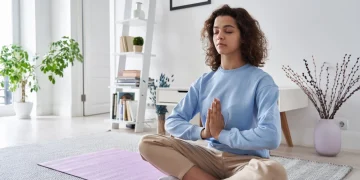
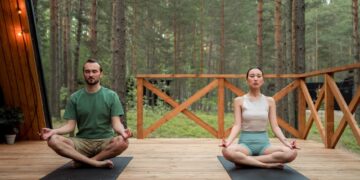
- Find a Quiet Space: Choose a quiet spot where you won’t be disturbed. This could be a small corner of your home or even a park bench. The important thing is to have a space that you associate with mindfulness and relaxation.
- Set a Time: While morning meditation is a great way to start the day, the best time to meditate is the time that fits consistently into your schedule. Even 5-10 minutes can be beneficial.
- Use Guided Meditations: If you’re new to meditation, guided meditations can be a helpful way to start. Use apps or online resources that provide a narrator who can lead you through the process.
Techniques to Enhance Your Meditation Experience
- Focused Attention: This involves concentrating on a single point. This could be your breathing, repeating a single word or mantra, staring at a candle flame, or listening to a repetitive sound.
- Body Scan: This technique involves mentally scanning your body to identify areas of tension and consciously relax those areas. It’s beneficial to combine deep breathing with body scanning to enhance relaxation.
- Mindfulness Meditation: This form of meditation encourages you to observe wandering thoughts as they drift through your mind. The intention isn’t to get involved with the thoughts or to judge them, but simply to be aware of each mental note as it arises.
Real-Life Benefits of Regular Meditation
Those who have incorporated meditation into their life often report an overall improvement in their mood and stress levels. Here are some real-life benefits you might experience:
Enhanced Overall Well-being
People who meditate regularly might find they are less bothered by little things that used to cause much stress. This can result in lower levels of stress hormones in the body, better sleep, and improved relationships.
Increased Self-awareness
Meditation encourages self-reflection and can increase your self-awareness, thereby improving your emotional intelligence and the ability to relate to others.
Improved Concentration
Many forms of meditation involve concentration, which can help improve your focus and attention span. This can be especially useful in our fast-moving digital world where distractions are frequent.
Conclusion: Start Your Journey Towards a Stress-free Life
Meditation isn’t a quick fix for stress, but a gentle, effective tool for long-term stress management. It invites you to step back, gain a new perspective, and handle life’s challenges with a bit more ease. Whether you are dealing with daily frustrations or major life changes, meditation offers a space of quietude amidst the storms. Starting with just a few minutes each day can lead to profound changes in how you relate to stress and enhance your overall quality of life.