







































Breathe Easy: Simple Relaxation Exercises for Daily Calm
In our fast-paced world, finding moments of tranquility can seem like a daunting task. The need to slow down and harness a sense of inner peace is more important than ever. This article offers straightforward, effective relaxation exercises that fit smoothly into your daily routine. Whether you’re a busy professional, a student, or simply seeking methods to manage daily stress, these techniques are designed to improve your mental and physical wellbeing.
Understanding the Importance of Relaxation
Stress is a common response to the demands of modern living. It can negatively affect both your physical health and emotional wellbeing. Incorporating regular relaxation exercises into your day can help reduce stress, enhance your mood, foster better sleep, and even improve your productivity and focus.
Benefits of Daily Relaxation
- Reduces stress: Relaxation techniques activate your body’s relaxation response, a state of restfulness that is the opposite of the stress response.
- Improves heart health: These practices can lower blood pressure and reduce the risk of heart disease.
- Enhances concentration: Regular relaxation exercises can help you maintain a clear mind and stay focused.
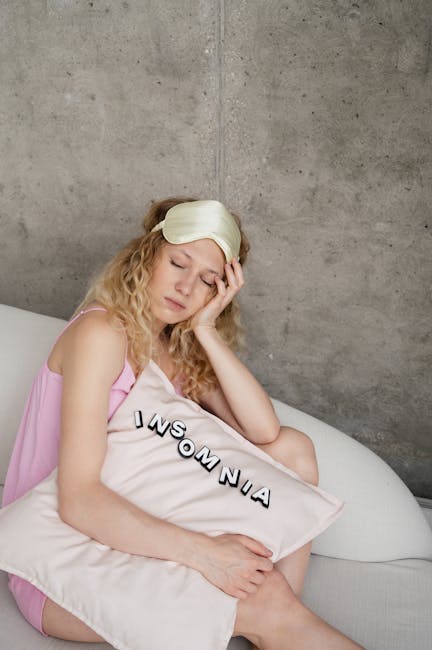
- Better sleep: By relieving tension, relaxation routines can help improve the quality of your sleep.
Simple Relaxation Exercises You Can Practice Daily
Integrating relaxation exercises into your daily life doesn’t require extensive time or resources. Here are easy-to-practice techniques suitable for anyone, regardless of their schedule or lifestyle.
1. Deep Breathing
Deep breathing is a powerful, yet simple, method of relaxation. It involves focusing your attention on slow, deep, and consistent breaths. When you breathe deeply, you send a message to your brain to calm down and relax. The brain then sends this message to your body.
How to Practice Deep Breathing:
- Find a comfortable, quiet place to sit or lie down.
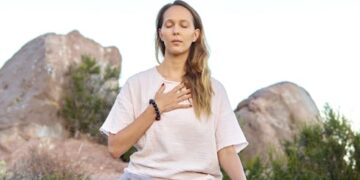
- Place one hand on your belly just below your ribs and the other hand on your chest.
- Take a deep breath in through your nose, allowing your belly to push your hand out. Your chest should not move.
- Breathe out through pursed lips as if you were whistling. Feel the hand on your belly go in, and use it to push all the air out.
- Repeat these steps 3 to 10 times. Take your time with each breath.
2. Progressive Muscle Relaxation (PMR)
Progressive Muscle Relaxation involves slowly tensing and then relaxing each muscle group. This practice promotes bodily awareness and relaxation.
Steps to Practice PMR:
- Start at your toes and work your way up to your neck and head.
- Tense each muscle group for five seconds; then relax for 30 seconds, and repeat.
3. Visualization
Visualization, or guided imagery, involves forming mental images to take a visual journey to a peaceful, calming place or situation. It utilizes the power of the mind to encourage relaxation.
Guide to Effective Visualization:
- Close your eyes and imagine your restful place. Picture it as vividly as you can: everything you can see, hear, smell, taste, and touch.
- Focus on the relaxing sensations your image brings you.
- Stay in your scene for 5 to 10 minutes or until you feel relaxed.
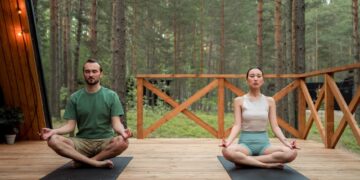
4. Mindfulness Meditation
Mindfulness involves being fully present in the moment, and aware of where we are and what we’re doing, without being overly reactive or overwhelmed by what’s going on around us.
Tips to Get Started with Mindfulness Meditation:
- Find a quiet and comfortable place.
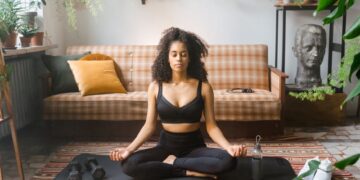
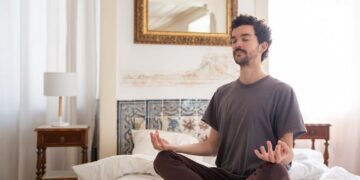
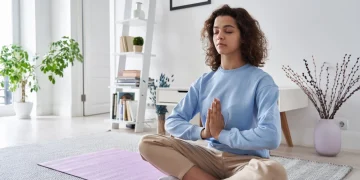
- Sit in a relaxed, comfortable position.
- Focus on your breath or a word or phrase that you repeat silently.
- Allow thoughts to come and go without judgment and return to your focus on breath or word.
Frequently Asked Questions
How long should I practice these exercises?
Most relaxation techniques can be practiced in as little as 5-10 minutes. However, longer sessions can enhance the benefits.
Can I practice these exercises at work?
Absolutely! Many relaxation techniques like deep breathing, PMR, and visualization can be done anywhere, including your workplace.
Conclusion
The practices outlined above can significantly reduce stress and foster a sense of well-being by harmonizing your mind and body. By integrating these simple exercises into your daily routine, you can achieve a deep sense of calm that enhances your overall quality of life.
Remember, the more regularly these techniques are practiced, the more profound their benefits. So take a deep breath, relax, and embrace a calmer, more fulfilled you.