





















































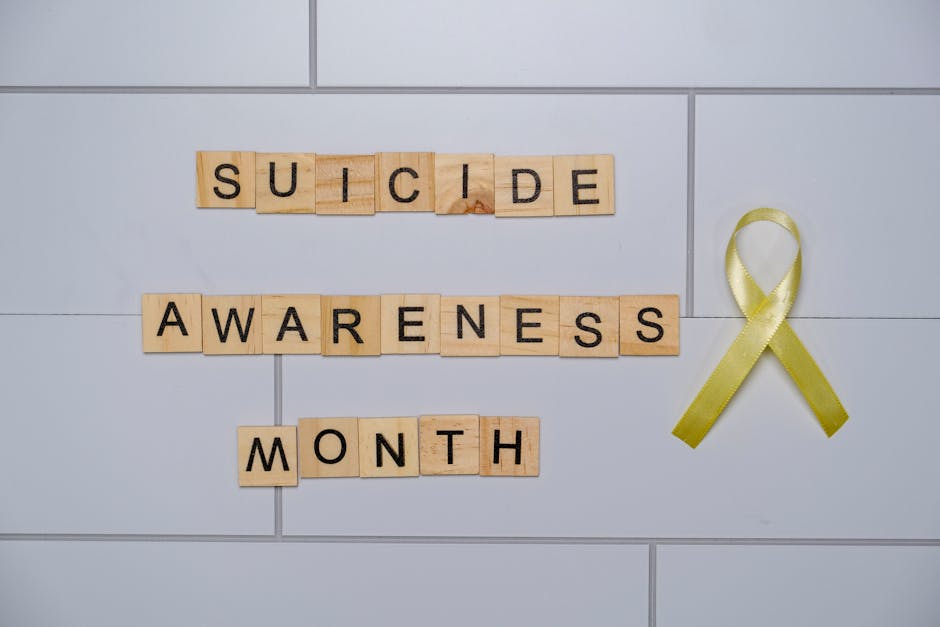
7 Essentials of Mental Health Education Everyone Should Know
In today’s fast-paced and sometimes volatile world, understanding the basics of mental health is more crucial than ever. Whether you’re a teacher, parent, professional, or a student, the essentials of mental health education can equip you with the tools necessary to foster both personal well-being and a supportive environment for others. Below, we’ll explore seven foundational elements of mental health education that everyone should be aware of.
1. Understanding Mental Health and Mental Illness
Mental Health Defined:
Mental health involves our emotional, psychological, and social well-being. It affects how we think, feel, and act in daily activities. It also determines how we handle stress, relate to others, and make choices.
Recognizing Mental Illness:
Mental illnesses are health conditions involving changes in emotion, thinking, or behavior (or a combination of these). Mental illnesses are associated with distress and/or problems functioning in social, work, or family activities.
Key Insight:
Educating yourself about the symptoms and signs of various mental health conditions—from anxiety and depression to schizophrenia and bipolar disorder—can prepare you to recognize issues in yourself or others and seek help timely.
2. The Importance of Early Intervention
Early intervention can significantly alter the trajectory of a mental health condition. Recognizing the signs early on and seeking appropriate help can lead to better outcomes and a potentially less severe course of illness.
Actionable Tip:
If you notice changes in your own behavior or that of others that concern you, don’t hesitate to reach out for professional help. Schools, workplaces, and community centers often have resources available.
3. De-stigmatization of Mental Health
Unfortunately, stigma is still attached to mental health issues. This can prevent individuals suffering from seeking the help they need.
Strategies to De-stigmatize Mental Health:
- Open conversations about mental health in various settings, such as the workplace, schools, and within families.
- Share personal stories of dealing with mental health issues to humanize the experience.
- Educate others that mental health problems are common and treatable.
4. Building a Mental Health Toolkit
Everyone should have a mental health toolkit—a range of activities or practices that help maintain or improve mental health.
Examples of Toolkit Items:
- Regular exercise
- Mindfulness or meditation practices
- Keeping a journal
- Ensuring adequate sleep
- Nurturing relationships with friends and family
5. The Role of Professional Help
Understanding when and how to seek professional help is a critical component of mental health education. Therapists, counselors, and psychologists can provide support and strategies far beyond what friends and family can offer.
Understanding Therapy:
Therapy is a systematic approach to treating mental health issues which might involve talking, medication, or other interventions. Knowing the different types of therapies available (such as CBT, DBT, psychotherapy, etc.) can help you or someone else get the right kind of help.
6. The Impact of Lifestyle on Mental Health
Our daily choices and lifestyle can significantly affect our mental health. Nutrition, exercise, sleep, and how we manage stress all play vital roles.
Quick Wins for a Healthier Lifestyle:
- Prioritize sleep: Aim for 7-9 hours per night.
- Include physical activity in your daily routine.
- Eat a balanced diet rich in nutrients.
- Practice stress management techniques such as deep breathing or yoga.
7. Enhancing Resilience and Coping Skills
Resilience helps us navigate through difficulties and bounce back stronger. Developing resilience and coping strategies can drastically improve how we handle life’s challenges.
Techniques to Build Resilience:
- View challenges as opportunities for growth.
- Maintain a hopeful outlook.
- Focus on circumstances within your control.
- Foster healthy, supportive relationships.
Conclusion
Understanding these 7 essentials of mental health education is paramount for everyone, regardless of your age, profession, or life stage. By educating ourselves and others, promoting early intervention, and advocating for a stigma-free conversation about mental health, we can enhance our collective mental well-being. Always remember, it’s okay to ask for help, and it’s equally important to offer support to those around you. Navigating mental health is a journey, and no one has to do it alone.