










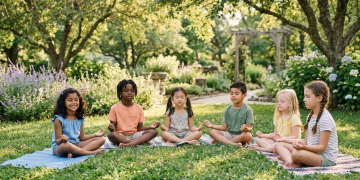











































Unlock Peace: How Mindfulness for Stress Can Transform Your Daily Life
In a world where the pace of life is often frantic, the ability to find moments of peace becomes increasingly invaluable. Mindfulness for stress is not just a trend, but a practical tool you can harness to bring tranquility and awareness to the hectic dynamics of daily life.
Understanding Mindfulness
Mindfulness is about being completely present in the moment. It involves observing your experiences without judgment and has roots in ancient meditation practices. Despite its simplicity, the effects of mindfulness on daily stress can be profound.
What is Mindfulness?
Mindfulness is the psychological process of bringing one’s attention to the present moment. This can be achieved through practices such as meditation, where focus is often placed on breathing, thoughts, and sensations.
Benefits of Mindfulness
Studies show that mindfulness can decrease stress and anxiety, improve attention and memory, and promote overall emotional health. It can also help manage heart disease, lower blood pressure, reduce chronic pain, and improve sleep.
How Mindfulness Reduces Stress
Mindfulness reduces stress by breaking down your day into manageable moments where you can pause and reflect rather than react impulsively. This mindful approach can transform your reaction to stress, making you more resilient and less overwhelmed.
Mindful Breathing
One effective technique is mindful breathing. This involves concentrating on each breath, acknowledging when your mind wanders, and gently bringing your attention back to your breath. This simple act can calm the mind and reduce stress.
Observing Without Judgement
When practicing mindfulness, you learn to observe your thoughts and feelings from a distance, without labeling them as good or bad. This practice can help you respond to stressful situations more calmly and thoughtfully.
Practical Mindfulness Exercises
Integrating mindfulness into your daily life doesn’t require special equipment or excessive time. Here are some simple exercises you can start with:
Daily Mindful Moments
Choose regular activities—like brushing your teeth or drinking coffee—as cues to practice mindfulness each day. Focus intently on what you’re doing, how it feels, and the thoughts that come and go during these moments.
Mindful Eating
This involves paying close attention to the taste, texture, and sensations of what you eat and drink. Mindful eating can help you enjoy your meals more and maintain a healthier relationship with food.
Guided Meditation
Many apps and websites offer guided meditations. These can be particularly helpful for beginners, providing structured pathways to mindfulness that can later be practiced independently.
Making Mindfulness a Habit
Like any other habit, consistent practice is key to making mindfulness an integral part of your life.
Set Aside Time for Practice
It can be as little as five minutes a day. The important thing is to set aside a specific time for mindfulness exercises, making it as routine as any other daily activity.
Use Reminders
Setting reminders on your phone or post-it notes around your home or workspace can prompt you to engage in mindfulness throughout the day.
Be Patient and Consistent
Mindfulness is a skill that develops with time and practice. Be patient with yourself, and don’t get discouraged by distractions or days when it feels particularly tough.
Incorporating Mindfulness into Family and Work Life
Mindfulness doesn’t have to be a solo practice. Encouraging its principles within your family or work environment can lead to deeper relationships and a more supportive atmosphere.
Mindful Communication
Practice active listening and speaking in a considerate manner. This promotes better understanding and reduces conflicts both at home and at work.
Stress Reduction Workshops
Many workplaces now offer stress reduction programs based on mindfulness techniques. Participating in these can enhance both personal wellbeing and team dynamics.
Conclusion
Mindfulness for stress is more than just a coping mechanism; it’s a transformative practice that can enhance your perception, improve your relationships, and boost your overall quality of life. By incorporating simple mindfulness practices into your daily regime, you can unlock a more peaceful, attentive, and enjoyable existence.