
























Unlocking the Secrets of Physical Relaxation Techniques: A Guide to Reducing Stress
In today’s fast-paced world, stress has become a common companion for many. It lurks in the corners of our busy schedules, tight deadlines, and personal challenges. Fortunately, mastering the art of physical relaxation can be your first line of defense against stress. This guide explores various physical relaxation techniques that can help soothe your mind and body, foster well-being, and reduce stress.
Understanding Stress and Its Impact
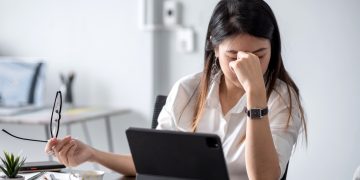
Stress is your body’s response to any demand or threat. When you feel threatened, your nervous system responds by releasing a flood of stress hormones, including adrenaline and cortisol, which rouse the body for emergency action. However, chronic stress can lead to health problems, affecting your heart, blood pressure, mental health, and more.
Common Signs of Stress
- Feeling overwhelmed or irritable
- Frequent headaches or muscle tension
- Changes in sleep patterns
- Difficulty concentrating or relaxing
Physical Relaxation Techniques to Reduce Stress
Engaging in physical activities can dramatically improve your psychological well-being and reduce stress levels. Here are some effective techniques that you can incorporate into your daily life to manage stress:
1. Deep Breathing Exercises
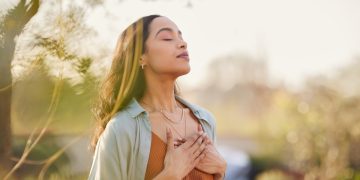
Deep breathing is a simple yet powerful relaxation technique that can calm your mind and reduce tension. When you breathe deeply, it sends a message to your brain to calm down and relax. The brain then sends this message to your body.
How to Practice Deep Breathing:
- Find a quiet place and sit in a comfortable position.
- Slowly inhale through your nose, allowing your chest and lower belly to rise as you fill your lungs with air.
- Hold your breath for a count of three, then exhale slowly through your mouth.
- Repeat several times until you feel relaxed.
2. Progressive Muscle Relaxation (PMR)
PMR involves tensing each muscle group in the body tightly, but not to the point of strain, and then slowly releasing the tension. This method helps you become more aware of physical sensations and aids in relaxing your muscles.
Steps to Perform PMR:
- Start with your feet and work your way up to your face.
- Tense each muscle group for about five seconds and then relax for 30 seconds.
- Proceed to the next muscle group until you have relaxed all areas of your body.
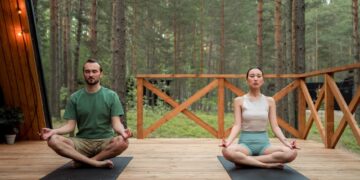
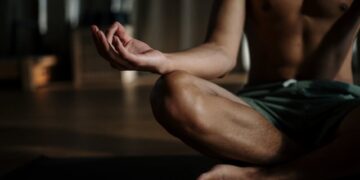
3. Yoga
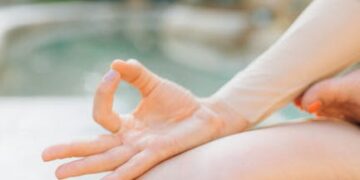
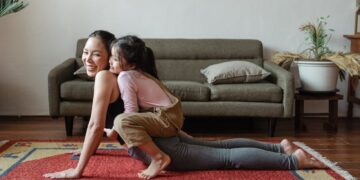
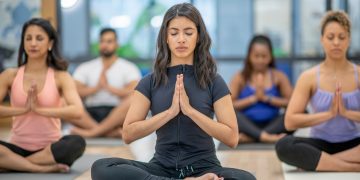
Yoga combines physical postures, breathing exercises, and meditation to enhance physical relaxation and stress reduction. Regular yoga practice improves flexibility, balance, strength, and mental clarity.
Yoga Poses for Stress Relief:
- Child’s Pose
- Cat-Cow Pose
- Warrior Pose
4. Mindful Walking
Mindful walking involves paying close attention to the physical experience of walking, tuning into the sensations of standing, and the subtle movements that help maintain balance. It can be practiced anywhere, whether you are walking in a busy city or a quiet hallway.
Guide to Mindful Walking:
- Begin walking slowly and focus on your breath.
- Notice the feel of your feet touching the ground.
- Acknowledge the sights, sounds, and smells around you, letting them help anchor you in the present moment.
Integrating Relaxation into Your Routine
To effectively reduce stress, integrate these physical relaxation techniques into your daily routine. Even short periods of relaxation can be beneficial.
Tips for Consistent Practice:
- Set specific times for relaxation techniques and stick to them.
- Incorporate short sessions at times of the day when you are most likely to get stressed.
- Use reminders or alarms to prompt you to take breaks for deep breathing or a quick walk.
Conclusion
Physical relaxation techniques can be powerful tools for reducing stress, enhancing your mood, and maintaining your mental health. By integrating practices like deep breathing, progressive muscle relaxation, and yoga into your everyday life, you can begin to feel more relaxed and centered. Remember, the key to managing stress is not to eliminate it completely but to control how it affects you. Continual practice and patience are your best allies in becoming more resilient to life’s challenges.
Final Thought
Don’t wait until stress has a negative impact on your health. Start exploring these physical relaxation techniques today, and take an active role in managing your stress levels for a happier, healthier life.