











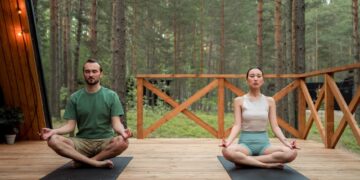





































Mastering Mindfulness: Unlock Self-Compassion Tips for Anxiety Relief
Mindfulness isn’t just a trend—it’s a transformative practice that can help us deal with the twists and turns of life. For those who experience anxiety, mindfulness offers practical tools to foster self-compassion and alleviate distress. This guide is designed to help you understand and embrace mindfulness to find peace in everyday chaos.
Understanding Mindfulness and Self-Compassion
What is Mindfulness?
Mindfulness is the practice of being completely aware and present in each moment. Rather than dwelling on the past or worrying about the future, mindfulness encourages you to fully engage with the here and now. This approach helps in recognizing and accepting our feelings, thoughts, and bodily sensations as they occur.
The Role of Self-Compassion in Anxiety Relief
Self-compassion involves treating yourself with the same kindness and understanding you would offer a good friend. It’s an essential part of mindfulness that helps you navigate difficult emotions without harsh judgment. For individuals coping with anxiety, self-compassion can ease feelings of isolation by reminding them that they are not alone in their experience.
Mindfulness Techniques for Anxiety Relief
Mindful Breathing
Mindful breathing is a simple and effective tool to reduce anxiety. It involves focusing your attention on your breath, noticing each inhale and exhale, and observing the natural pauses between them. This can help calm your mind and center your thoughts.
Body Scan Meditation
Another powerful mindfulness exercise is the body scan meditation. It entails mentally scanning your body from head to toe, observing any form of discomfort, tension, or ease without attempting to change these sensations. This practice increases body awareness and highlights the mind-body connection, providing a grounding experience in anxious times.
Engaging in Mindful Activities
Mindfulness can be incorporated into daily activities like eating, walking, or even cleaning. Engaging fully with the present moment during these routine activities can significantly enhance your focus and reduce anxiety. It transforms mundane tasks into opportunities for awareness and relaxation.
Building Self-Compassion Through Mindfulness
Self-Kindness vs. Self-Judgment
Self-compassion begins with self-kindness, which is about being warm and understanding toward yourself when you suffer, fail, or feel inadequate. Replace self-criticism, which often heightens anxiety, with a gentler inner dialogue. Encourage yourself as you would a friend facing a similar situation.
Recognizing Our Common Humanity
Anxiety can make you feel isolated in your distress. Self-compassion combats this by highlighting common humanity. Remember, you’re not alone—everyone experiences moments of doubt and anxiety. This perspective can bring immense comfort and decrease feelings of isolation.
Mindfulness to Acknowledge and Transform Negative Thoughts
Mindful awareness teaches you to notice your thought patterns, particularly the negative ones that provoke anxiety. Through mindfulness, you learn to observe these thoughts without attachment, allowing them to pass like clouds in the sky. This reduces their impact and helps you develop a more balanced outlook.
Practical Tips to Implement Mindfulness and Self-Compassion
Start Small
If you’re new to mindfulness, start with just a few minutes a day, and gradually increase the time. Consistency is key, even if the initial sessions are brief.
Create a Dedicated Space
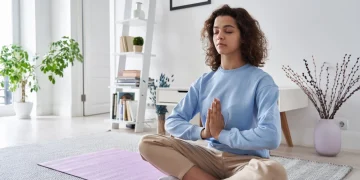
Set up a calming space in your home for mindfulness practice. This should be a quiet, comfortable spot where you can sit undisturbed for a few minutes each day.
Use Apps and Books
Consider leveraging technology to aid your practice. Apps like Headspace or Calm offer guided meditations that cater to various needs, including anxiety relief. Books, too, can provide deeper insights and techniques.
Attend Workshops or Classes
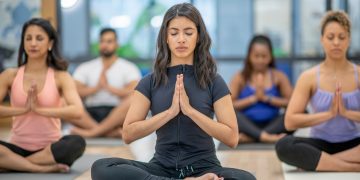
Joining a class or workshop can be very helpful, especially at the beginning. Learning from an experienced instructor can provide you valuable support and structure as you navigate your mindfulness journey.
Conclusion: Embrace the Mindful Path
Mindfulness and self-compassion aren’t just practices but are ways of living. Embracing these habits can transform your relationship with anxiety and with yourself. By focusing on the present and treating yourself with kindness, you open the door to a more peaceful life. Remember, the path to mindfulness doesn’t lead you away from the world but deeper into it.
Begin your journey today, embracing each moment with an open heart and a compassionate mind, and watch as the shackles of anxiety loosen their grip on your life.