









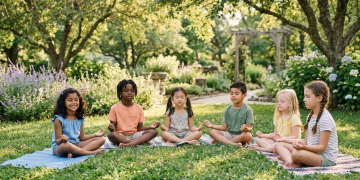












































Transform Your Classroom: Discover the Power of Mindfulness for Teachers
Imagine a classroom where students are more focused, teachers are less stressed, and the atmosphere is charged with calm and constructive energy. This scenario is not just a dream but can become a reality through the power of mindfulness. In recent times, mindfulness has emerged as a transformative tool for teachers to enhance their teaching skills and improve classroom dynamics. Could mindfulness be the missing ingredient in your teaching methodology? Let’s explore how this ancient practice can revolutionize modern classrooms.
Understanding Mindfulness in the Educational Context
Mindfulness simply means paying full attention to what’s happening in the present moment without any judgment. In an educational setting, this means being consciously present with your thoughts, feelings, bodily sensations, and the environment around you while teaching. It involves a conscious direction of awareness and can have profound effects on both teachers and students.
Benefits for Teachers
Teachers who practice mindfulness report lower stress levels, improved emotional regulation, and a better ability to maintain an organized and calm classroom. Mindfulness can help teachers stay more focused, which in essence makes them more effective educators.
Benefits for Students
For students, the advantages of having a mindful teacher can translate into better attention in class, higher levels of self-esteem, and improved academic outcomes. Mindfulness practices can particularly help in reducing symptoms of anxiety and depression among students.
How to Integrate Mindfulness into Your Teaching
Integrating mindfulness into your teaching doesn’t require massive shifts but can start with simple practices. Here are a few techniques that you can begin using today.
Start Your Day with Mindful Breathing
Before class starts, take a few minutes to engage in mindful breathing exercises. This involves taking slow, deep breaths while focusing entirely on your breathing process. Encourage your students to participate. This can greatly enhance the collective focus and calm in the classroom.
Practice Mindful Listening
Incorporate exercises in the classroom that foster careful and thoughtful listening. For example, when a student or colleague speaks, focus completely on understanding their words without planning your response. This not only improves communication but also models good listening behavior for students.
Create Mindful Spaces
Designate a quiet corner of the classroom where students can go to practice mindfulness when they feel overwhelmed. This space should be inviting and stocked with materials like mats, comfortable chairs, or cushions, and possibly some calming images or objects.
Common Questions About Mindfulness in Education
Is Mindfulness Religious?
While mindfulness has its roots in Buddhist meditation, the mindfulness practiced today in schools is a secular, psychological tool. It is not tied to any religious or cultural belief system, making it accessible to people of all backgrounds.
How Long Does It Take to See Benefits?
Like any other skill, the benefits of mindfulness can be seen gradually over time. Consistent practice can yield noticeable improvements in as soon as a few weeks. Persistence is key.
Do I Need Special Training to Teach Mindfulness?
While special training is not necessary to introduce basic mindfulness exercises, professional development programs can deepen your own practice and equip you with techniques to effectively teach it to others.
Implementing Mindfulness: Practical Tips and Tricks
Here are some actionable tips to help you begin or enhance your journey into teaching with mindfulness:
- Lead by Example: Practice mindfulness regularly yourself; the authenticity of your practice will inspire your students.
- Integrate Gradually: Incorporate mindfulness into your routine slowly, maybe starting with a once-a-week activity, and build from there based on the response of your students.
- Use Technology: There are numerous apps and online resources that can guide you through mindfulness exercises and even help track your progress.
- Stay Informed: Keep up-to-date with the latest research and practices in mindfulness education to continually refine your approach.
By introducing mindfulness into your classroom, you not only enhance your own teaching capabilities but also aid in the holistic development of your students. The journey of mindfulness is one of ongoing discovery and growth. As you explore this path, both you and your students will likely encounter increased joy and satisfaction in the educational process. Remember, the key to transforming your classroom through mindfulness lies in consistent application and a willingness to adapt and grow. Embrace the journey and watch your classroom transform.