














































Unlock Peace: Top Stress Reduction Exercises for a Calmer Mind
In our fast-paced, ever-connected world, stress has become a common companion for many of us. However, living under constant stress not only affects our mental health but also has a direct impact on our physical wellbeing. Finding effective ways to reduce stress isn’t just a luxury—it’s a necessity. This article offers a guide to some of the most effective stress reduction exercises that can help usher in a sense of calm and tranquility to your busy life.
Understanding Stress and Its Impact
Before diving into the stress-busting exercises, it’s important to understand what stress is and how it affects us. Stress is the body’s reaction to any change that requires an adjustment or response. This can be triggered by both good and bad experiences. When faced with a challenge or threat, our body responds physically, mentally, and emotionally.
Common Signs of Stress
- Feeling overwhelmed or anxious
- Fatigue or difficulty sleeping
- Irritability or moodiness
- Body aches or headaches
- Changes in appetite
Recognizing these signs early is crucial in managing stress effectively. Now, let’s explore some top exercises to help manage and reduce stress.
Top Stress Reduction Exercises
1. Deep Breathing Techniques
One of the simplest yet most powerful ways to alleviate stress is through deep breathing exercises. These exercises can be done anywhere and at any time, making them highly accessible.
Example: Try the 4-7-8 breathing technique. Breathe in deeply through your nose for 4 seconds, hold your breath for 7 seconds, and exhale slowly through your mouth for 8 seconds. Repeat this cycle four times.
2. Progressive Muscle Relaxation (PMR)
This technique involves tensing and then relaxing different muscle groups in your body. PMR can help alleviate tension that accumulates when you’re stressed.
How to Practice: Start from your toes and work your way up to your neck and head. Tense each muscle group for about five seconds and then relax for 30 seconds before moving to the next group.
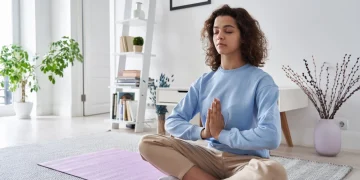
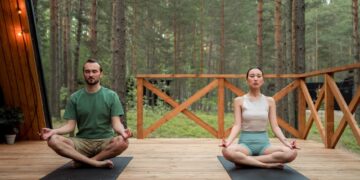
3. Mindfulness Meditation
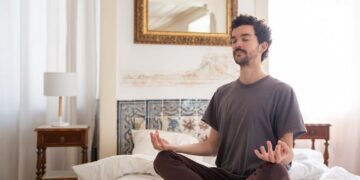
Mindfulness meditation encourages you to observe wandering thoughts as they drift through your mind. The intention is not to get involved with the thoughts or to judge them, but simply to be aware of each mental note as it arises.
Practice Tip: Sit in a quiet and comfortable place, focus on your breath, and when your attention wanders, return it to your breath. Begin with five minutes a day and gradually increase the duration.
4. Physical Activity
Exercise is a fantastic stress reliever that can work in minutes. Physical activity helps bump up the production of your brain’s feel-good neurotransmitters, known as endorphins.
Exercise Ideas: Whether it’s a brisk walk, a jog, yoga, or dancing, find an activity you enjoy. This not only helps reduce stress but also enhances your overall health.
5. Guided Imagery
Guided imagery is a convenient and soothing way to relax and destress. It involves forming mental images of places or situations you find relaxing.
Getting Started: Try listening to recorded guided imagery or scripts online. Imagine yourself in a peaceful place and focus on the details of that environment to fully divert your mind from stress.
Integrating Stress Reduction into Your Daily Routine
Incorporating these exercises into your daily life doesn’t have to be overwhelming. Start small by choosing one or two techniques that appeal to you the most.
Creating a Routine
- Set aside a specific time: Dedicate a few minutes each day for your stress reduction exercise. Perhaps in the morning to start your day positively, or in the evening to unwind.
- Be consistent: Consistency is key. The more regularly you practice these exercises, the more natural they will become, and the greater their impact in reducing stress.
Encourage Mindfulness Throughout the Day
Try to be mindful of your stress levels throughout the day. If you notice signs of stress creeping up, take a short break to practice deep breathing or a few stretches. This can help manage stress before it becomes overwhelming.
Conclusion
Managing stress is vital for maintaining both mental and physical health. By exploring these top stress reduction exercises and incorporating them into your routine, you can find your way to a calmer, more peaceful mind. Remember, the key to a stress-free life does not lie in avoiding all stress but in mastering effective stress management techniques. Empower yourself with these exercises, and unlock a serene state of mind.