












































Easy Meditation Techniques for Kids to Reduce Anxiety
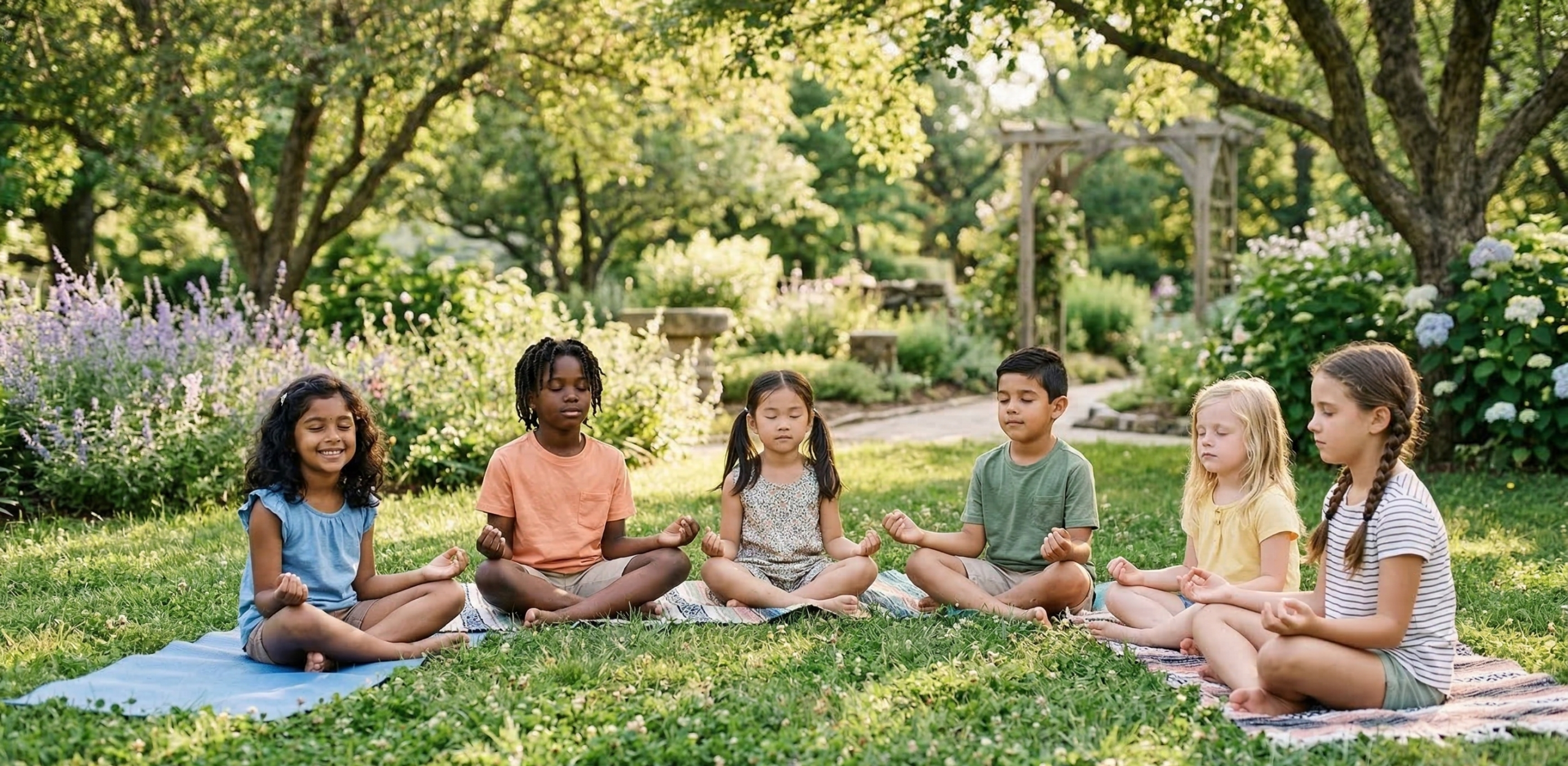
In our fast-paced world, even children aren’t immune to the daily stresses of life. Anxiety in kids is more common than ever, but thankfully, meditation offers a soothing escape. Teaching children simple meditation techniques not only aids in managing anxiety but also enhances their overall well-being and focus. This guide explores easy-to-understand and practice meditation methods that are perfect for children and appealing to adults as well.
Understanding Anxiety in Children and How Meditation Can Help
Anxiety in children can manifest in various forms, from school worries and peer pressure to changes at home or excessive screen time. Unlike adults, children might not always be able to express what they’re feeling. This is where meditation comes into play. Meditation helps by fostering an environment of stillness and safety where kids can process their thoughts and emotions without external pressures.
The Science Behind It
Studies show that meditation can decrease the production of stress hormones like cortisol and increase the production of mood-enhancing chemicals like serotonin. Regular meditation strengthens the brain’s ability to regulate emotions and increases attention span, aiding in both academic and social aspects of a child’s life.
Starting Simple: Meditation Techniques for Beginners
Introducing meditation to kids should be fun and easy. Here are some techniques that can help kids get started on their journey to tranquility.
Breathing Exercises
Controlled breathing is a cornerstone of meditation that can be easily taught to children. A simple method is the “Balloon Breathing Technique” where children imagine inflating a balloon while inhaling deeply through their nose and then deflating it as they exhale slowly through their mouth. This can vividly teach them how to control their breathing and focus on the moment.
Guided Imagery
Guided imagery involves the kids in a story where they can imagine themselves in a peaceful and safe environment. It could be a quiet beach, a serene forest, or even outer space. As they visualize these calming scenarios, it shifts their focus away from anxious thoughts. Interactive storytelling apps or audio books designed for children can be excellent aids in this technique.
Making Meditation a Fun Part of Daily Routine
Incorporating meditation into children’s daily lives need not be a chore or another homework assignment. Here are creative ways to make meditation an enjoyable and much-anticipated part of their day.
Meditation Through Movement
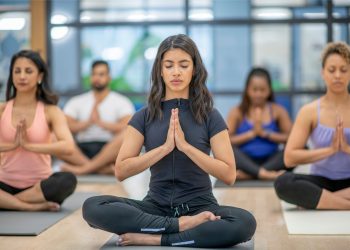
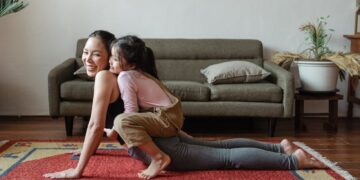
Children love to move, and often they express and manage their emotions through movement. Yoga can be an excellent meditative practice for kids. Simple poses combined with deep breathing can significantly enhance calmness and balance. Yoga sessions can be energized with imaginative narratives where each pose is part of an engaging tale, keeping the practice lively and engaging.
Artistic Expression
Meditation doesn’t always mean sitting quietly. Art sessions can serve as a meditative practice that helps kids express themselves and examine their inner feelings without words. Offer them paints, crayons, or clay and let them channel their emotions through creativity. Set a calm atmosphere with soft music to enrich the meditative experience.
Incorporating Mindfulness into Everyday Activities
Mindfulness is about being present and entirely focused on the moment. Engaging kids in mindfulness can help them appreciate and enjoy the simplicity of everyday life, reducing anxiety-driven thoughts about the past or future.
Mindful Eating
Turn meals into a time of mindfulness by encouraging kids to notice the colors, textures, and flavors of their food. Have them chew slowly and describe their experiences. This not only promotes healthy eating habits but also turns a daily routine into a peaceful, reflective period.
Mindful Walking
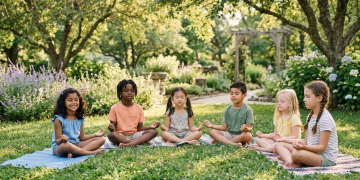
Walks in nature can be meditative. Teach children to notice the things around them—the shape of leaves, the feel of the wind, the sounds of birds. This not only relaxes the mind but also enhances sensory development.
Empowering Kids with Meditation Skills for Life
Meditation is a life skill that offers immense benefits. The techniques outlined here can be a starting point for a lifelong journey into self-awareness and stress management. Remember, the goal is to make meditation a positive, engaging, and regular part of children’s lives.
Encouraging Regular Practice
Consistency is key in any form of practice. Encourage kids to practice meditation daily. Even a few minutes each day can make a significant difference in how they manage anxiety and stress. Over time, this practice builds resilience and promotes a healthier, happier lifestyle.
Support and Participation
Show enthusiasm and participate in meditation with your child. By practicing together, you not only improve your own wellbeing but also reinforce its importance, making it a shared, enjoyable, and enriching experience for both of you.
To conclude, introducing children to meditation can unlock doors to a calmer, more centered life. These techniques are not only tools against anxiety but also pathways to enhance emotional and cognitive development. Start small, keep it enjoyable, and watch as this beautiful practice blossoms into a vital part of your child’s growth and happiness.