




















































Unlocking Inner Peace: How Mindfulness for Self Compassion Can Transform Your Life
Inner peace may seem like a distant reality, especially in the fast-paced, often chaotic world we live in. However, the practice of mindfulness for self-compassion can serve as a transformative tool, leading to a more serene and content life. This article explores how embracing mindfulness can cultivate self-compassion, enhance emotional resilience, and fundamentally transform your everyday experiences.
Understanding Mindfulness and Self-Compassion
What is Mindfulness?
Mindfulness is a state of active, open attention to the present moment. When you’re mindful, you observe your thoughts and feelings from a distance, without judging them as good or bad. Instead of letting your life pass you by, mindfulness means living in the moment and awakening to your current experience, rather than dwelling on the past or anticipating the future.
What is Self-Compassion?
Self-compassion involves treating yourself with the same kindness, concern, and support you’d offer to a good friend. When faced with difficult times or noticing something you don’t like about yourself, self-compassion allows you to be gentle, understanding, and nurturing towards yourself.
The Benefits of Mindfulness for Self-Compassion
Incorporating mindfulness for self-compassion has several health benefits that impact both mental and physical well-being. These benefits include reduced anxiety and depression, improved emotional resilience, and enhanced overall happiness. Let’s delve deeper into each benefit:
- Reduces Stress and Anxiety: By focusing on the present and accepting feelings without judgment, mindfulness decreases the levels of stress and anxiety.
- Enhances Emotional Resilience: Regular mindfulness practice helps in developing the ability to cope with difficult situations without losing calm and perspective.
- Improves Relationships: Self-compassion fosters empathy, which can greatly improve interactions and relationships with others.
Practical Tips for Practicing Mindfulness for Self-Compassion
Understanding the theory behind mindfulness and its benefits is one thing; actively incorporating it into your life is another. Here are a few practical ways to start your journey towards a more mindful, compassionate existence.
Meditation and Mindful Breathing
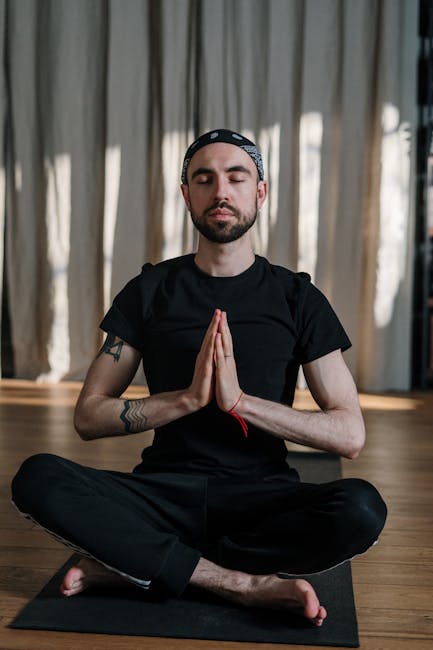
Meditation is a traditional way to practice mindfulness. Sitting quietly and paying attention to your breath, your thoughts, the sounds in the environment, or sensations in your body can all help bring you back to the present moment.
Journaling
Writing down your thoughts and feelings can help you understand them more clearly. Taking time to reflect can also slow down your mind and bring a state of mindfulness.
Kindness Exercises
Actively practice kindness and gentleness towards yourself. This could be enforcing positive affirmations, recognizing your effort rather than focusing solely on outcomes, or treating yourself to moments of relaxation and enjoyment.
Overcoming Challenges in Mindfulness Practice
Starting a new practice can come with its set of challenges. Here are some common obstacles and tips on how to overcome them:
Finding Time
The most common barrier is finding the time. Start small. Even five minutes of mindfulness meditation or a short journaling session can be beneficial.
Dealing With Distractions
Distraction is normal. However, the practice of mindfulness is about returning your attention to the object of your focus over and over again. Recognize distractions but gently bring your mind back to the present.
Lack of Immediate Results
Mindfulness is a skill that requires patience and practice. The benefits may not be instantly apparent but will develop over time with consistent practice.
Real-Life Examples of Mindfulness Transforming Lives
Example 1: Sarah, a high school teacher, started practicing mindfulness to deal with stress. Over time, not only did her stress levels decrease, but her relationships with students and peers improved significantly due to her increased empathy and patience.
Example 2: Mark, a retired veteran, found that mindfulness techniques helped him manage PTSD symptoms and improved his sleep quality. His practice of self-compassion helped him forgive and accept his past.
Conclusion: A Journey into a More Fulfilling Life
Mindfulness for self-compassion is not just a practice but a journey towards self-acceptance and inner peace. By taking small steps towards becoming more present and treating yourself kindly, you can profoundly impact your mental health and overall happiness. Remember, the path to self-awareness and inner tranquility lies in the simple act of being kind to yourself, in the here and now.
Begin this transformative journey today, and unlock the peace that resides within you.