



















































Unlocking Peace: A Guide to Holistic Stress Management Techniques
Stress is a common factor in our fast-paced world, affecting people of all ages and walks of life. Finding effective ways to manage stress can not only improve daily functioning but also enhance overall health and wellness. This guide explores holistic stress management techniques that can help everyone from busy professionals to students achieve a more peaceful and balanced life.
Understanding Stress and Its Effects
Before diving into the techniques, it’s crucial to understand what stress is and how it affects us. Stress is the body’s response to any demand or threat. When you feel threatened, your nervous system responds by releasing a flood of stress hormones, including adrenaline and cortisol, which rouse the body for emergency action. However, long-term activation of this stress response can cause wear and tear on your body and lead to various health problems.
Physical Effects of Stress
Chronic stress can lead to a myriad of physical health issues, including heart disease, high blood pressure, diabetes, obesity, and weakened immune function.
Emotional and Mental Effects of Stress
The mental and emotional toll of chronic stress can be just as serious, contributing to disorders such as depression, anxiety, and cognitive impairment. It can also affect mood, productivity, relationships, and quality of life.
Core Principles of Holistic Stress Management
Holistic stress management involves more than just managing symptoms. It emphasizes a comprehensive approach that addresses the physical, emotional, mental, and spiritual aspects of an individual’s wellbeing.
Integration of Mind, Body, and Spirit
A holistic approach recognizes the interconnectivity of the mind, body, and spirit. Techniques focus on bringing balance and harmony among these elements, which can enhance resilience to stress.
Effective Holistic Techniques for Stress Relief
Now, let’s explore practical, effective techniques that integrate these principles to promote stress relief and increase inner peace.
Mindful Meditation
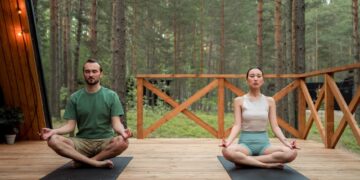
Mindful meditation involves being present in the moment and acknowledging your thoughts and feelings without judgment. Practicing just 10 minutes of meditation each day can significantly reduce stress levels and increase feelings of calm and relaxation.
Mental Benefits:
Meditation can enhance mental clarity, improve concentration, and provide powerful insights into our inner workings and motivations.
Physical Benefits:
Regular meditation can help lower blood pressure, reduce chronic pain, and improve sleep patterns.
Yoga
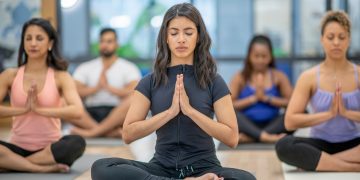
Yoga combines physical postures, controlled breathing, and meditation or relaxation. It can lower stress, improve physical fitness, and even enhance mood and overall sense of well-being.
Diet and Nutrition
What we eat significantly affects how we feel. Consuming a diet rich in whole grains, lean proteins, fruits, and vegetables, while limiting sugar and processed foods, can help stabilize your energy levels and mood.
Herbs and Supplements
Certain herbs like Ashwagandha, Valerian Root, and Lavender are known for their stress-reducing properties. However, consult with a healthcare provider before starting any new supplement regimen.
Exercise
Physical activity increases your body’s production of endorphins, the neurotransmitters responsible for feeling good. Even moderate exercise like a brisk walk can instantly elevate your mood and energy levels.
Creating a Personalized Stress Management Plan
With so many techniques available, it can be overwhelming to know where to start. Creating a personalized plan can help you implement these strategies effectively.
Identify Your Stress Triggers
Start by identifying what causes you stress. Keep a journal to note down when you feel stressed and see if patterns emerge.
Choose Techniques That Resonate with You
Not every technique works for everyone. Try different methods and see what feels best for you, whether it’s yoga, meditation, or something as simple as nature walks.
Set Realistic Goals
Set achievable goals within reasonable time frames. For example, aim to meditate for 10 minutes, three days a week, and gradually increase your practice as it becomes a habit.
Seek Support When Needed
If your stress feels overwhelming, consider seeking support from a professional therapist or counselor who specializes in stress management.
Conclusion
Implementing effective stress management techniques can enhance your quality of life and improve your health. By understanding the nature of stress and exploring holistic approaches, you can start on the path to a calmer, more peaceful life. Remember, the journey to managing stress is a personal one, and finding the right balance of techniques that work for you is key to achieving lasting peace.