


















































White Noise Therapy: Unveiling Its Calming Powers for Better Sleep
Many people struggle with achieving a night of restful sleep due to various disturbances such as traffic noise, loud neighbors, or even the buzzing thoughts inside their own heads. Enter white noise therapy, an innovative approach that has been helping countless individuals find their way to serene slumbers. This article explores how white noise works to improve sleep, discusses its benefits, and offers advice on how you can incorporate it into your nightly routine.
What is White Noise?
White noise consists of all sound frequencies that the human ear can hear, blended into a single, consistent sound. It is often compared to the sound of a hissing radiator or a rushing waterfall. White noise effectively masks other sounds that might disturb sleep. This can make it particularly useful in noisy environments or for people who are sensitive to sudden noises.
The Science Behind White Noise
White noise works by creating a sound buffer that masks disruptive noises in your environment. It generates a soothing blanket of sound that can help calm the mind and keep you from being startled awake by sudden sound disturbances. Scientific studies suggest that not only does white noise help in falling asleep, but it also promotes deeper and more stable sleep patterns.
Benefits of White Noise for Sleep
The advantages of white noise extend beyond merely blocking out external noise. Here are several ways it can improve your sleep quality:
- Consistency: White noise provides a consistent auditory backdrop, which can be particularly soothing as you transition into sleep.
- Focus Reducer: It helps minimize the impact of sporadic noises that may otherwise wake you from sleep, such as a dog barking or a car passing by.
- Sleep Aid for Babies: White noise has been noted to help soothe infants, making it easier for them to fall asleep and stay asleep longer.
- Enhanced Sleep Quality: It can help deepen your sleep by promoting a steady sleep cycle, which is vital for physical health and mental well-being.
Implementing White Noise in Your Sleep Routine
Incorporating white noise into your bedtime routine is simple and can be customized based on personal preference. Here are several methods to get started:
Using White Noise Machines
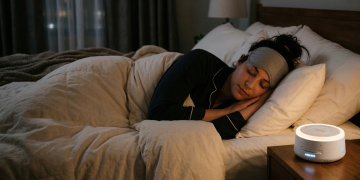
White noise machines are perhaps the most direct way to introduce white noise into your bedroom. These devices can produce a range of sounds from pure white noise to nature-inspired sounds like rain or ocean waves. Position the machine close to where sleep disturbance is most likely, such as by a window or door.
Apps and Online Services
With technology at our fingertips, several apps and online platforms provide white noise or ambient sound mixes. Apps like Noisli, White Noise Lite, and others offer a variety of sounds that you can mix and match to create your perfect sleep environment. Whether you prefer the sound of a fan, a light drizzle, or even distant thunder, these apps have you covered.
Create Your DIY White Noise Mix
If gadgets are not your thing, you can create a personal white noise mix using household items. A simple fan, for instance, can serve dual purposes of air circulation and noise masking. Opening a window might also bring in a natural mix of wind and the rustling of leaves, depending on your location.
Commonly Asked Questions about White Noise Therapy
1. Is white noise safe to use every night?
Yes, for most people, using white noise as a sleep aid is safe to use nightly. However, it should be played at a reasonable volume, similar to the level of a soft shower, to avoid potential hearing damage.
2. Can white noise be used for children?
White noise can be particularly effective for children and babies. It mimics the sound environment of the womb, which can help soothe and comfort young children. As always, it should be kept at a safe volume.
3. Are there any alternatives to white noise?
Yes, other forms of sound therapy include pink noise or brown noise, which vary slightly in frequency and intensity, and may be more soothing for some people. Nature sounds or soft music are also popular alternatives that can help with relaxation and sleep.
Final Thoughts
Ranging from scientific support to anecdotal praises, white noise therapy offers a promising solution for those looking to improve their sleep quality. By incorporating white noise into your sleep routine, you provide yourself with a powerful tool to combat sleep disturbances and enhance your night-time rest. Try out different white noise sources and volumes to find what works best for you, and get ready to experience sleep like never before.